




Tokyo Stillness
See Tokyo, differently.
Interview 2026.08.14
Seeing Tokyo from a New Perspective: the Sky and Sea MATCHA CEO Yu Aoki on the Breathing Room International Visitors Find in the City
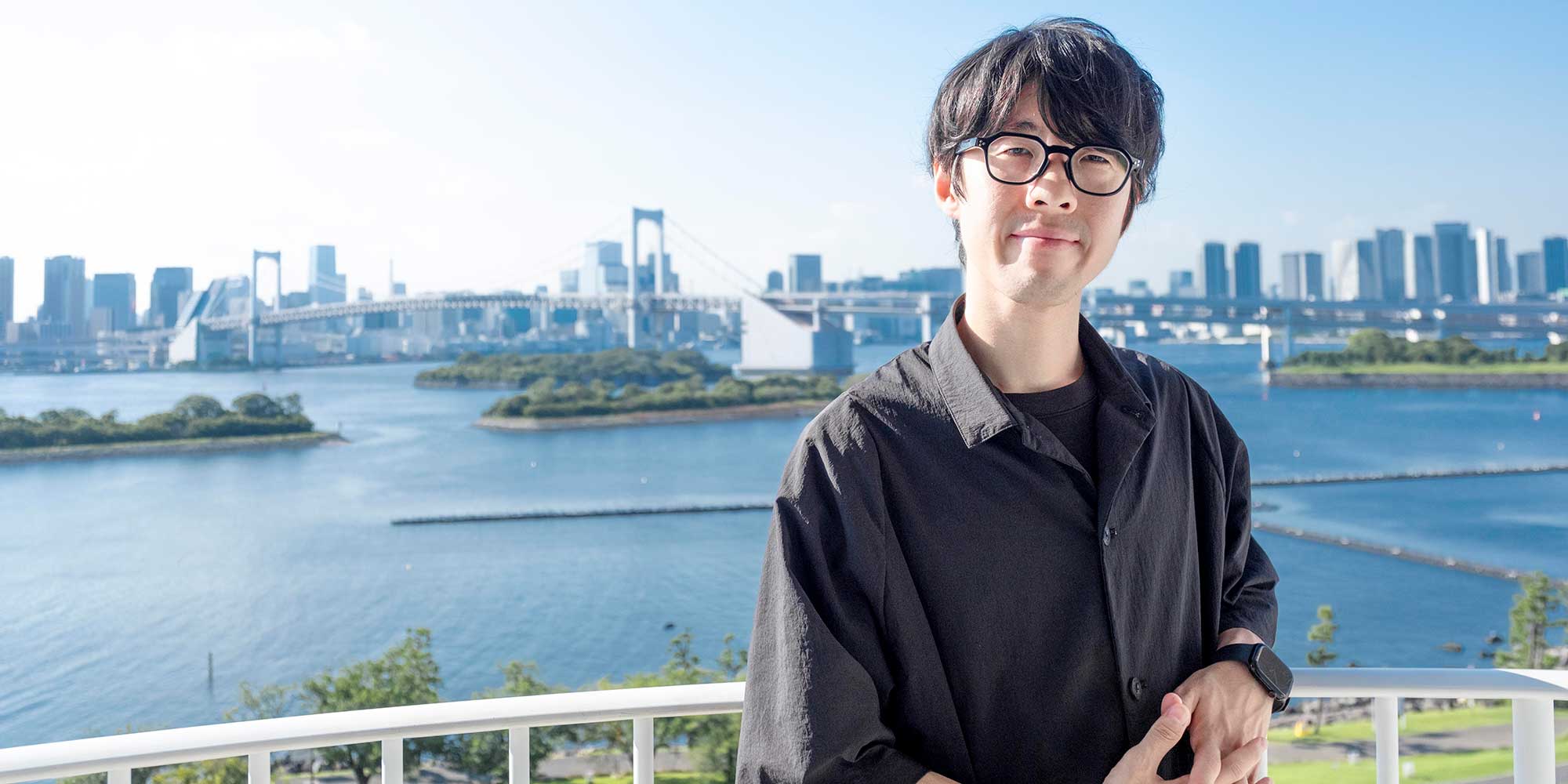
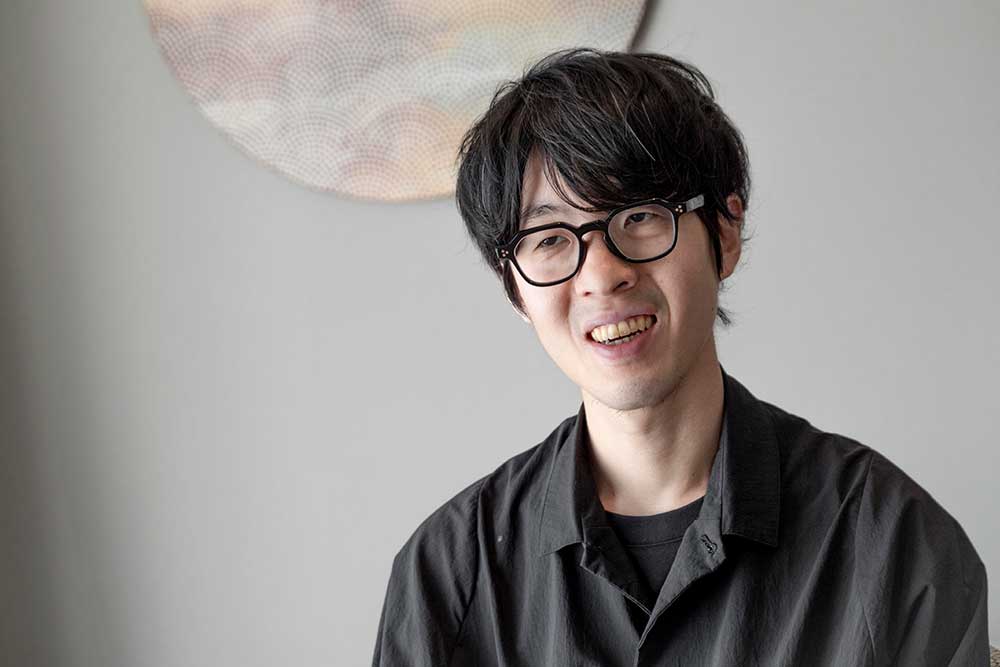
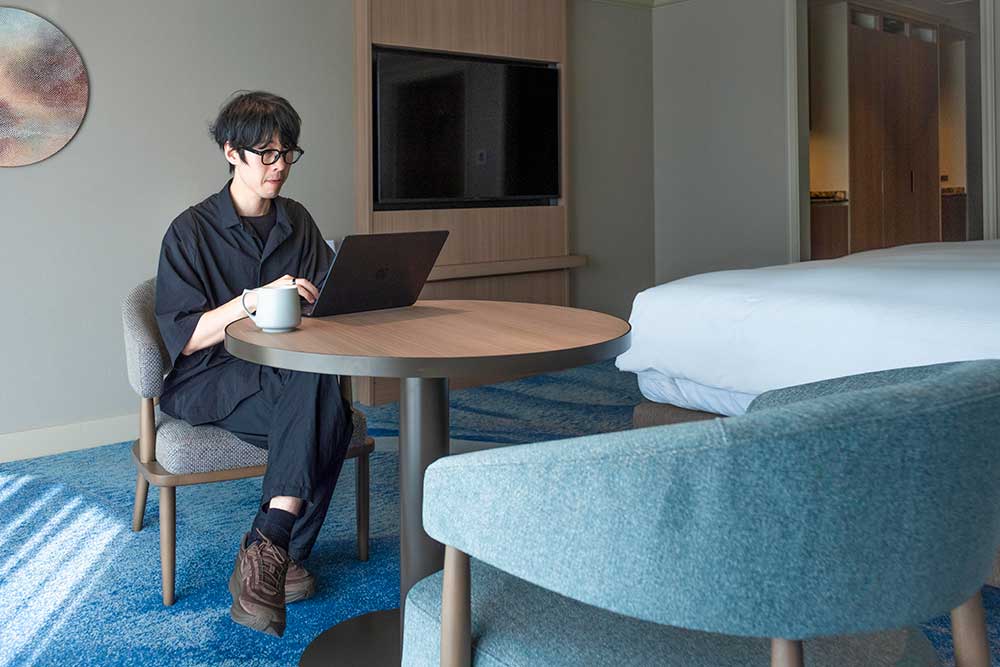
Yu Aoki, CEO of inbound travel media platform MATCHA, has spent years sharing Japan with international audiences while observing how visitors’ interest in Tokyo has evolved. For this article, he stayed at Hilton Tokyo Odaiba with his wife and child. How does the city look to a media entrepreneur who understands the international traveler's perspective and approaches tourism to Japan as a business when he experiences Tokyo with his family? From Odaiba, we explore the value of stepping back from the city and seeing it with fresh eyes.
Yu Aoki
CEO of MATCHA Inc.
Aoki runs MATCHA, an inbound travel media platform that showcases Japan's regions, culture, food, and everyday life to international audiences in multiple languages. His work connects travelers from Japan and abroad with local communities, sharing the country’s charm with the world.
A Different Tokyo Across the Water
"Even though I live in Tokyo, simply staying overnight here felt like a new experience."
That was Aoki's first thought as he reflected on his stay at Hilton Tokyo Odaiba. When you live in Tokyo, there are surprisingly few reasons to book a hotel in the city. While many associate Tokyo with work, commuting, or meeting people, staying overnight, gazing out from a guest room, and relaxing with family here reveals a different side of the city.
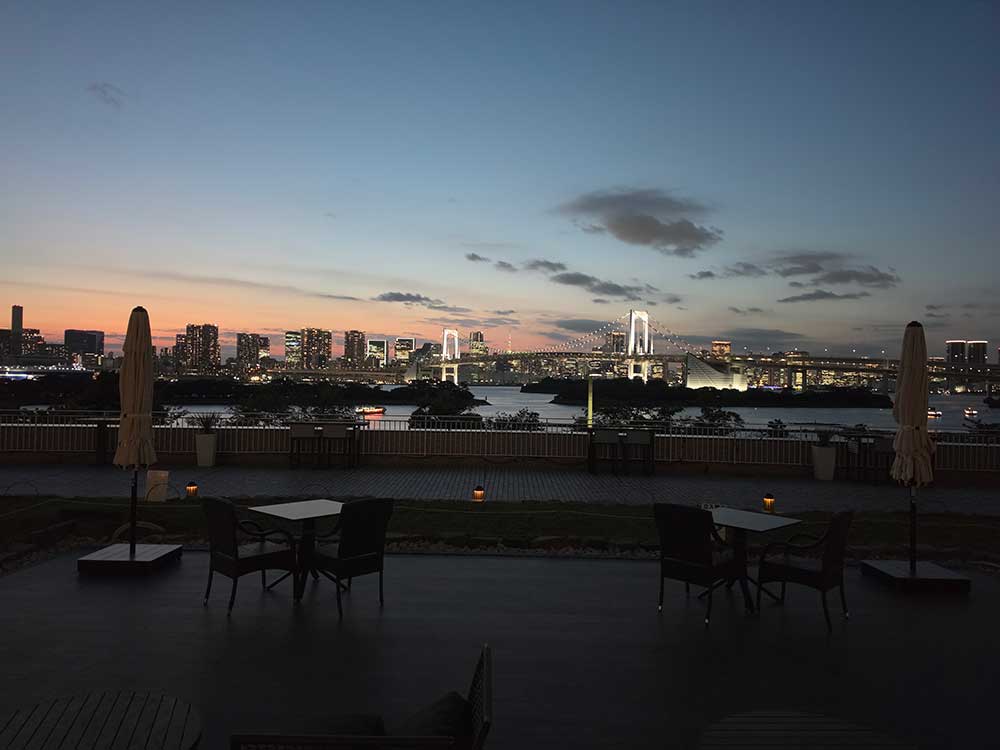
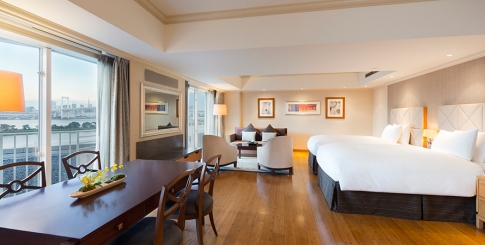
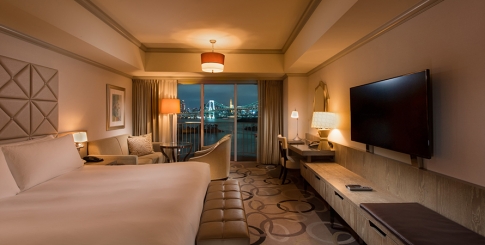
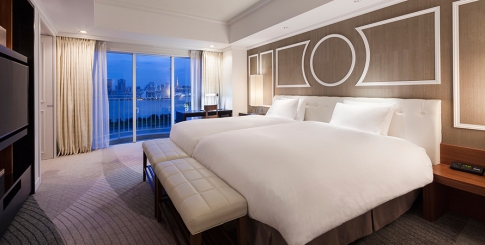
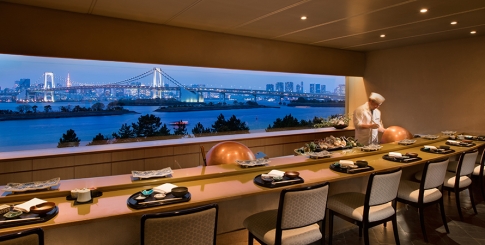
The first thing that struck him was the view from Odaiba.
"It reminded me of looking toward Manhattan from Liberty Island, where the Statue of Liberty stands. Odaiba even has its own smaller Statue of Liberty, so I can imagine American visitors making that connection to New York."
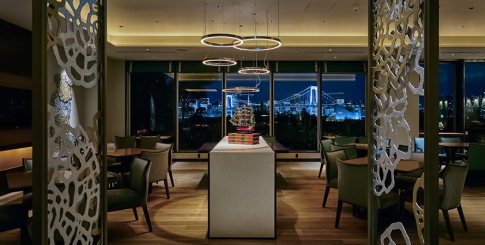
Looking toward central Tokyo beyond the Rainbow Bridge is very different from seeing the city from within its center. From a considerable distance across the water, Tokyo's shape comes into clearer focus.
"There is so much open sky, and then there is the sea. I realized that alone can lift your mood."
For Aoki, the opportunity to experience that sense of openness without leaving Tokyo is part of what makes Hilton Tokyo Odaiba distinctive.
Tokyo as a Place to Rediscover Japan
Through MATCHA, Aoki observes how international travelers’ habits are changing. In recent years, more visitors have returned to Japan multiple times. The first trip is often focused on famous landmarks, but with each subsequent visit, interests become more specific and travel expands into regional areas.
In that context, Tokyo becomes more than just a destination. It also serves as a hub for travel throughout the country.
"More people return to Japan using Tokyo as a base and then heading out to other regions. I think Tokyo is also becoming a place they come back to again and again, assessing Japan each time."
From a business perspective, Aoki is especially interested in Tokyo's role in bringing together the country’s strengths. Regional Japan offers hot springs, snow, food, crafts, and other experiences with a strong sense of place. Tokyo gathers, curates, and refines these elements, elevating their presentation for a global audience.
"Tokyo brings people and cultures together, and it is exceptionally well connected. For anyone visiting Japan, it is almost always the natural point of entry.”
Tokyo serves as a starting point for trips and a final stop, as well as a place to reflect on what one has discovered about Japan. Seen this way, the value of staying in Tokyo extends well beyond touring its landmarks.
When Everyday Japan Becomes the Main Attraction
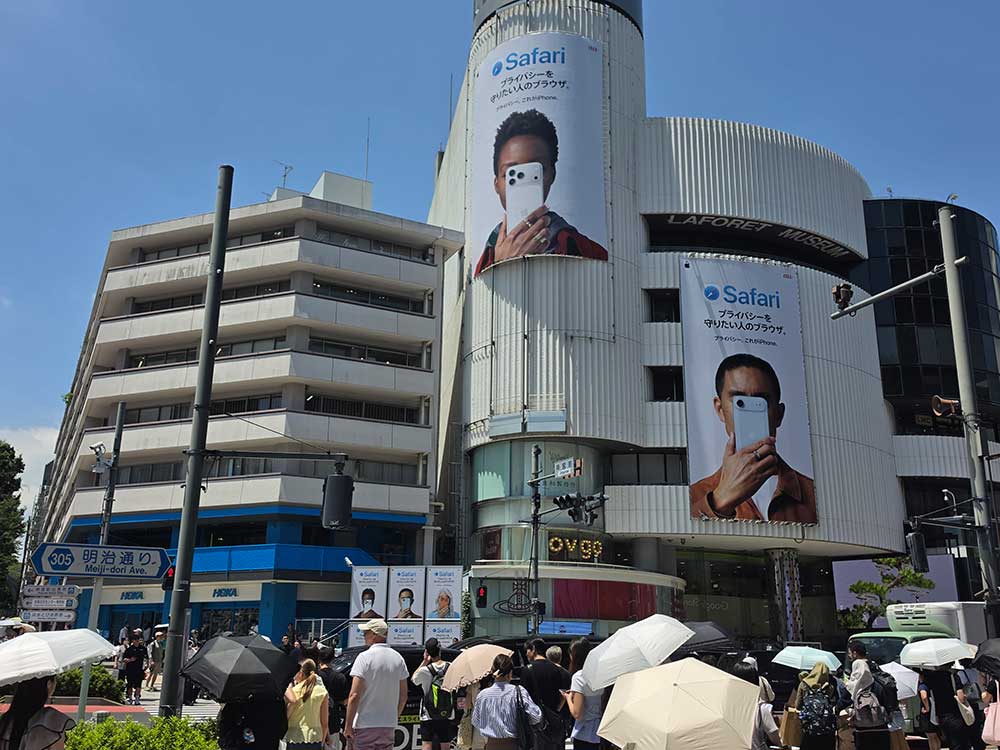
What are international travelers looking for in Tokyo today? Aoki notes that interest is growing not only in well-known tourist attractions, but also in experiences closer to everyday Japanese life.
"Repeat visitors shop for Japanese stationery or browse electronics. Things Japanese people use or do without much thought can feel special to someone from overseas."
Social media and advances in automatic translation have made it easier for international travelers to access detailed information published in Japanese. Where guidebooks once shaped most travel decisions, visitors can now explore the interests, tastes, and personal preferences embedded in daily life in Japan.
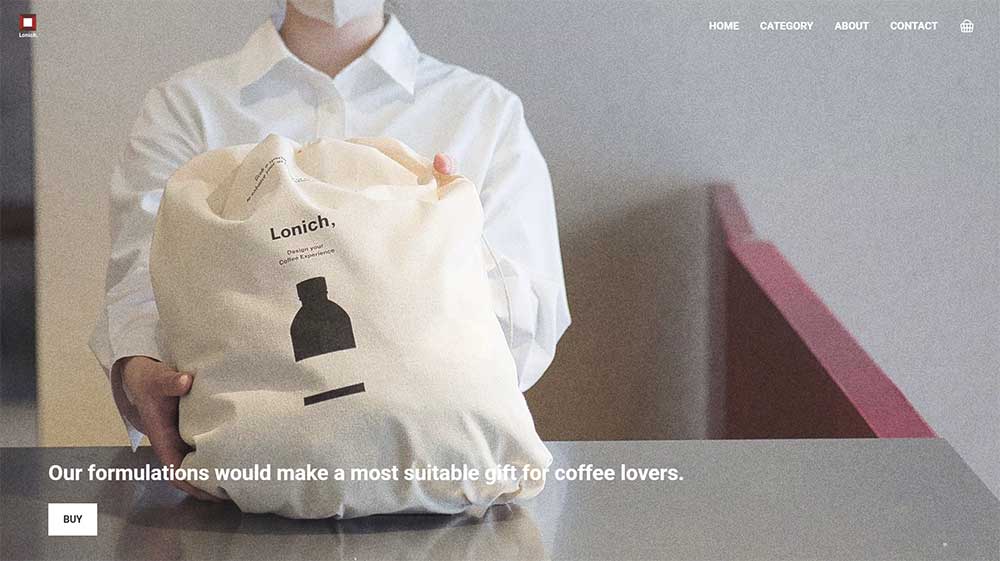
One example Aoki found especially interesting is the coffee experience at Lonich, in Kuramae, Tokyo. A personal barista guides guests through a multi-course coffee tasting, sharing stories about origin, variety, history, and flavor.
For many Japanese guests, the idea of enjoying coffee as a full course may seem unconventional. For coffee lovers from around the world, however, that level of focus and execution can be the very reason to visit Tokyo. For Aoki, this shift shows how travel to Japan is changing.
"It is the finest expression of a culture we tend to take for granted. Experiences that were once too niche, high quality, and exclusive for the Japanese market are strongly resonating with international visitors.
Coffee, stationery, electronics, food, service: Tokyo is filled with ordinary elements of daily life that have been refined to a remarkable degree. For international travelers, the city's allure lies not only in its landmarks but also in the precision and quality found in these details.
Why Reassurance Matters on a Family Stay
Aoki believes that international travelers are drawn to Japan not only for novelty or stimulation but also for the sense of ease and calm the country offers.
"There is so much information everywhere, and so much unsettling news around the world. Yet when people come to Japan, many say they feel at ease. That may be the reason they choose to visit.”
Clean public spaces, reliable and easy-to-navigate transportation, attentive service, and a strong sense of personal safety are hallmarks of daily life in Japan. For international travelers, these qualities offer confidence and freedom to explore the country on their own.
This same sense of reassurance stood out during Aoki's stay with his family at Hilton Tokyo Odaiba. The pool left a lasting impression on his child.
"I enjoyed looking out past Odaiba to the central Tokyo skyline from the pool. For a moment, I almost forgot we were in Tokyo."
Traveling with a young child also brought small details into focus, from cribs to assistance with baby bottles. Seeing many other families throughout the hotel reinforced Aoki’s trust in Hilton as a brand that families consistently choose.
For an international family visiting Tokyo for the first time, a hotel also serves as a safety net. Navigating language barriers, local transportation, restaurants, and simply getting through the day comfortably with children can seem daunting. Helping ease these concerns is another important aspect of the value Hilton Tokyo Odaiba provides.
Odaiba Offers a Broader View of Tokyo
Aoki describes Odaiba as a place where you can step just outside Tokyo and see the city as a whole.
"It offers you the opportunity to take a step back and view your daily life from a different perspective. Odaiba is where you can step back and reflect on Tokyo as an outsider even if you live here.”
In Shibuya, Shinjuku, Ginza, or around Tokyo Station, you are immersed in the heart of the city. Odaiba, separated by water, creates a sense of distance, not as an escape but as a new perspective to view Tokyo.
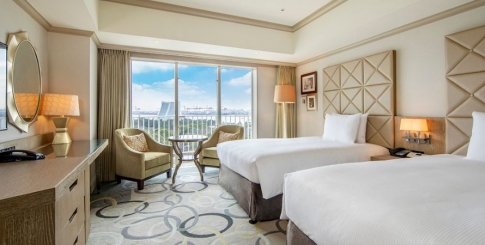
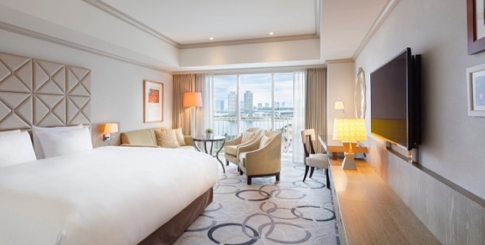
"With this much sky and sea, you can experience it even from the lower floors. I don’t think there’s anything quite like it in Tokyo."
During the interview, Aoki also reflected on the history of Odaiba itself. The area preserves the memory of the gun batteries built to defend Edo, and later became a symbol of modern waterfront development. Here, Tokyo's past and present overlap.
"Tokyo is a waterfront city, but we don’t really present it that way, do we?"
Surrounded by buildings in central Tokyo, it is easy to forget the city’s connection to the water. Edo once had much closer ties to the sea and its rivers. The neighborhoods you see across the bay would have felt the sea breeze, and daily life and developments would have been shaped by the water.
"Maybe Odaiba is one of the few places where you can still physically feel that old connection to the sea."
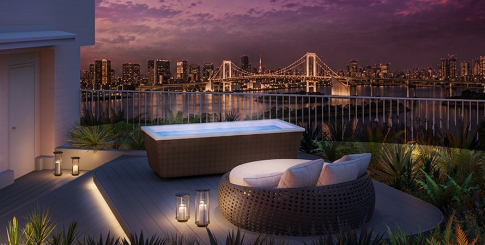
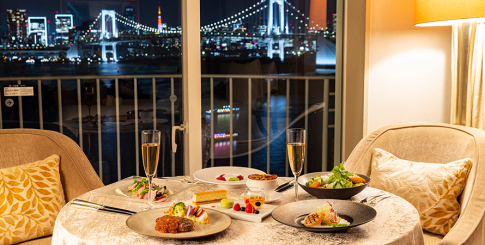
The sky stretches wide, the water flows below, and the city's lights twinkle beyond the bridge. The breeze here is more than just wind blowing through the waterfront. It evokes Tokyo's longstanding relationship with the sea.
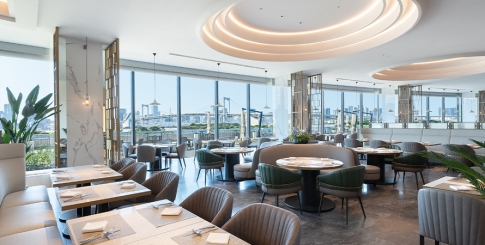
Hilton Tokyo Odaiba is more than just a hotel from which to explore central Tokyo. It is also a place to step back, reflect on your experiences in the city, and see it in context.
For international travelers, it is a reassuring base in Tokyo where families can stay comfortably. For residents of Japan, it offers a chance to rediscover the city’s beauty. And through the sky, sea, and breeze, it reminds guests that Tokyo has always been a waterfront city.
Simply looking out from the balcony at the sky and sea offers a new perspective to appreciate Tokyo.
Aoki's observations also offer a way for all of us to rediscover what makes the city truly special.