








Tokyo Stillness
See Tokyo, differently.
Interview 2026.05.27
Can Odaiba Evolve into an “Entertainment Island”? Sascha on What Makes People Want to Return to Tokyo
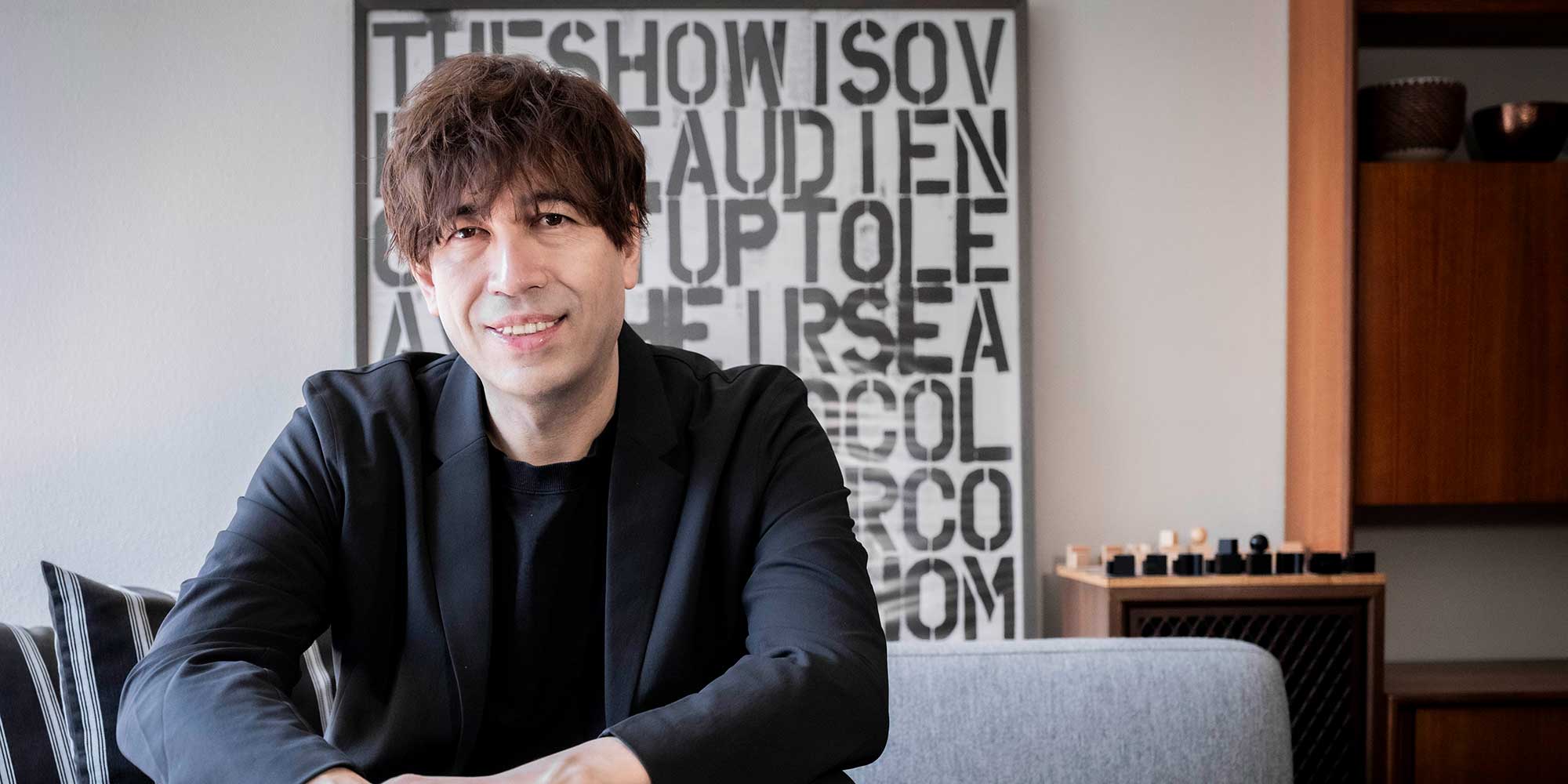
This series explores what makes Japan—and Tokyo and Odaiba in particular—so captivating. For the first feature, we spoke with Sascha, a radio host whose work spans music, sports, and motorsports broadcasting, among many other areas of entertainment. With roots in Germany and many years of living in Japan, he has observed the country’s appeal both from the perspective of an insider and an outsider. When asked what he sees as one of Japan’s defining strengths, he highlighted something more fundamental rather than glamorous. The conversation then shifted to a broader topic: the possibility that experiences like live music, sports, and racing can transform Tokyo from a one-time destination to a place people want to return to again and again. Could the Odaiba-Ariake Bay Area be the next stage for this transformation?
Sascha Profile
Born in Frankfurt, Germany, and raised in Japan, Sascha is trilingual, fluent in Japanese, German, and English. In addition to hosting J-WAVE’s STEP ONE and other radio programs across a wide range of genres, he is also active as a sports commentator covering motorsports and road cycling, a TV host, an event MC, and a narrator. He is widely praised for a style that moves seamlessly between cultural insight and intellect. In March 2026, he also earned his weather forecaster certification.
https://sascha348.bitfan.id
X:@sascha348
instgram:@sascha348
A Country Where You Can Walk Without Worry: The Foundation of Great Entertainment Experiences
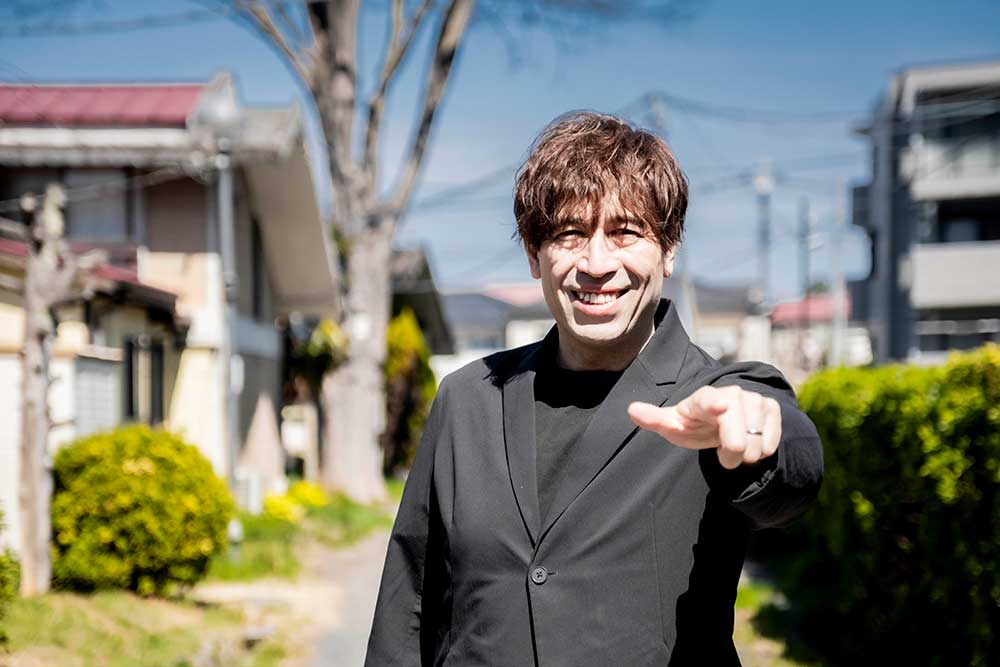
“One of the amazing things about Japan is that you can go for a walk without having to think twice.”
That comment resonated with me. He was not simply referring to low crime rates. What he meant was that unique sense of safety that underpins real freedom when traveling. In major cities like London or New York, for example, just walking around can come with a constant, underlying sense of caution.
“I once heard an artist say that some of your best ideas come when you’re walking. But in a lot of major cities overseas, you have to stay mindful of your safety the whole time. And when that happens, your thoughts are interrupted.”
In Japan, by contrast, you can wander at night or in unfamiliar neighborhoods without much hesitation. Whether you are traveling alone as a woman or with children, you do not have to be overly cautious. That sense of ease raises the overall quality of the trip itself. Being able to enjoy a concert, a sporting event, or a race—and then walk around the city still basking in that afterglow—offers international visitors more value than many people might expect.
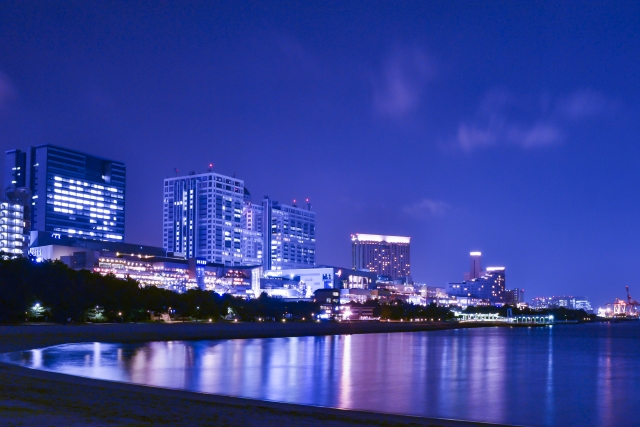
Entertainment Offers People a Reason to Come Back to Tokyo
One of the most notable examples Sascha brought up when talking about Japan’s appeal was, somewhat unexpectedly, Taylor Swift’s concerts in Japan.
Whenever a global superstar goes on tour, tickets in every city become fiercely competitive, and prices often skyrocket. But Japan, he said, offers something very specific for international fans.
“In Japan, you can generally buy tickets at face value. On top of that, it’s safe, you can actually buy merch, and you get to travel around Japan comfortably while you’re at it.”
And it is not just about the concert itself. The fact that the time before and after the event is relatively stress-free is part of what makes experiencing entertainment in Japan so valuable.
This leads to a broader idea: Entertainment provides compelling reasons to return.
“No one visits Tokyo Tower every single year. But for F1, they might.”
Many people feel content after visiting a sightseeing landmark once. In contrast, live shows are different each time. Sports results vary. Races change from year to year. This is exactly why entertainment gives people a reason to come back.
“One year it’s F1, next time it’s baseball, then maybe another live show. Entertainment excels at creating repeat visitors.”
In other words, a city’s appeal is not defined solely by the number of famous landmarks it offers. What truly matters is whether each visit promises a different experience. This ever-evolving sense of possibility may well become one of Tokyo’s greatest strengths going forward.
At Tokyo Dome, Baseball is More Than Just a Game—It’s a Cultural Experience
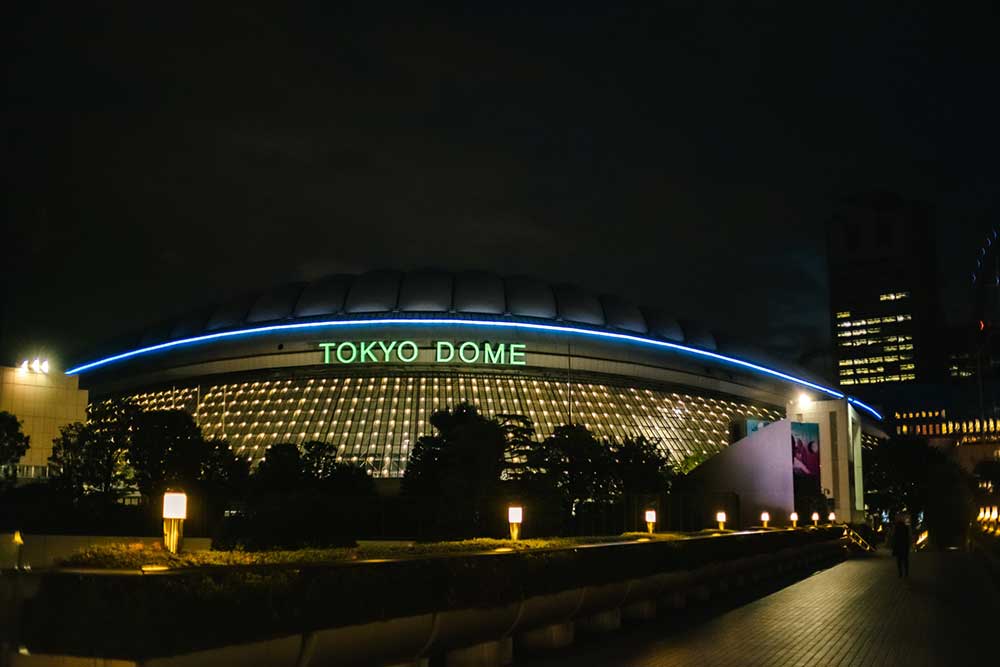
One sign of this shift, Sascha noted, can already be seen at Tokyo Dome.
“When you go to Tokyo Dome, you actually see a lot of international visitors there.”
Partly thanks to Shohei Ohtani’s influence, more overseas fans are developing an interest in Japanese baseball itself. Sascha shared that he sometimes takes his son, who plays baseball, to Giants games. On one such visit, he noticed nearly ten travelers from what seemed to be South America sitting behind them, clearly having a great time. And they were not there just to watch the game.
“They weren’t buying jerseys that said ‘Giants.’ They were buying ones that said ‘TOKYO,’ wearing them, and taking pictures in front of Tokyo Dome. I think they wanted to experience the unique style of cheering and the whole culture around Japanese baseball.”
What they experienced extended beyond spectating. The cheering style, brass bands, uniforms, and atmosphere in the stadium combined to create something unique in Tokyo. In that sense, sports are no longer just an extra activity on a trip—they become the primary reason for the trip itself.
Formula E Paves the Way for the Evolution of Tokyo’s Bay Area
This transformation, Sascha suggested, is already beginning to reach the Tokyo Bay Area. One of the most prominent examples is Formula E.
“One of the great things about Formula E is that it takes place right in the city—in Odaiba.”
Sascha described it as an introduction to motorsports. As an EV race, it is quieter and produces no exhaust, making it well-suited to an urban setting. On top of that, spectators can easily access the venue by Yurikamome or train, reducing barriers to attendance.
“Most racing circuits are in places that aren’t very accessible. However, Formula E is something you can reach by train. That’s a huge difference.”
Formula E is not just for hardcore racing fans. It can also be enjoyed casually as a form of urban entertainment, which makes it a particularly natural fit for Tokyo’s Bay Area. More than just a one-time event, it has the potential to serve as a catalyst for Odaiba and Ariake, helping these neighborhoods become key destinations for entertainment around Tokyo.
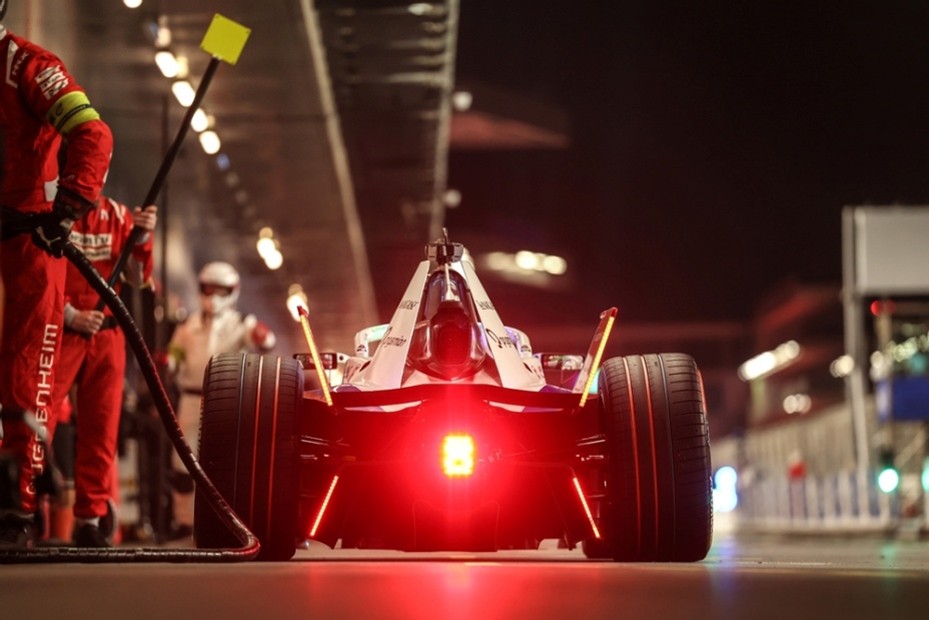
On July 25 and 26, 2026, Formula E will host its first-ever night race in Japan. Check the official website for tickets and the latest updates:https://jp.fiaformulae.com/
“Room” in Odaiba and Ariake to Become an Entertainment Island
What are Odaiba and Ariake really like to become the focus of such attention? From an entertainment perspective, Sascha sees real potential in the area.
“I honestly think Odaiba has enormous potential as an entertainment hub.”
Located close to central Tokyo, Odaiba still maintains its distinct character. Simply crossing the Rainbow Bridge offers a change of scenery—and of atmosphere. With its spacious layouts and capacity for growth, the area offers room for expansion. Live music, arenas, racing, art, and sports events may look scattered, but there is significant opportunity to connect these elements more intentionally.
“This is where the idea of an entertainment island could really take shape in the future.”
This vision comes with major implications. For Tokyo to attract repeat visitors, effective curation and connectivity in the Bay Area may be essential. It is not just about diving into the center of Tokyo—it is also about enjoying the city from a new perspective, including the moments before and after the main event. Odaiba is well-positioned to cultivate this evolving style of the Tokyo experience.
Hilton Tokyo Odaiba: A Place to Bask in the Afterglow of an Evolving Bay Area
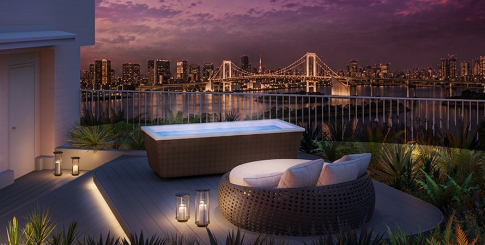
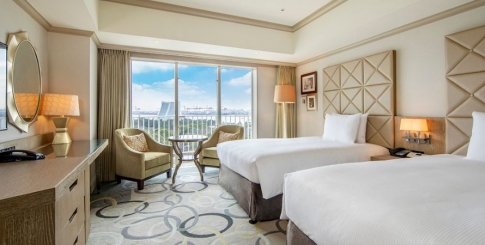
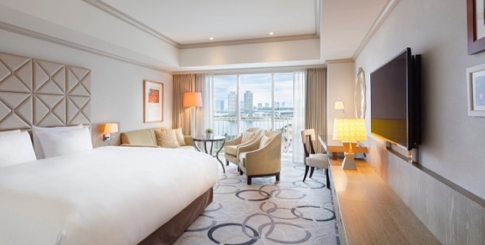
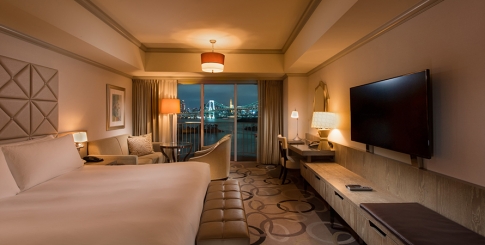
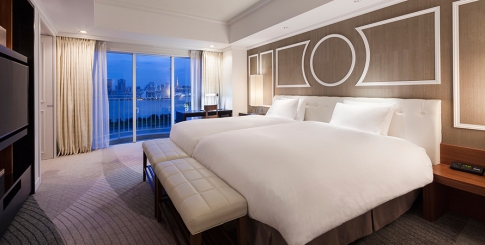
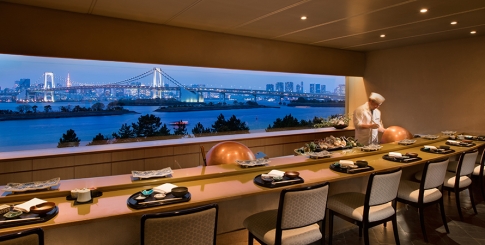
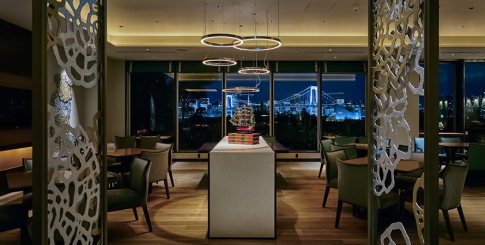
If this vision becomes reality, the role of the hotel changes as well. Sascha emphasizes that Hilton Tokyo Odaiba is much more than a hotel with a good view.
“It’s the kind of place where you can savor the excitement of a live show, a sporting event, a race, or an art experience—and bask in that afterglow at just the right distance from it all. It can also be the starting point for whatever experience comes next.”
Odaiba’s proximity to the city center, yet just slightly removed from it, creates a distinct balance that may be exactly what makes staying here so worthwhile.
From Sascha’s perspective, it becomes clear that Japan’s appeal is not defined by a single, flashy feature. Instead, it is the combination of factors such as safety, uniqueness, and the promise that each visit offers something different. Together, these qualities form the distinctive allure Japan has today.
As a place with the potential to transform that appeal into lasting reasons to come back, Tokyo’s Bay Area still has tremendous room for development. If Odaiba does evolve into an entertainment island, Hilton Tokyo Odaiba is one of those areas best positioned to be part of that growth in the future—serving not as the center of the action, but as a place where you can quietly soak up the afterglow and discover a new reason to return to Tokyo.


