













Tokyo Stillness
See Tokyo, differently.
History, Culture & Artisans 2026.09.18
Turn Travel Memories into a Notebook: Create Your Own at Kakimori in Kuramae

Photographs aren’t the only way to capture the essence of a trip. The streets you walked, the views that made you stop, the atmosphere of each moment—putting these memories into your own words is a unique way of preserving them. At Kakimori, a stationery store in Tokyo’s Kuramae neighborhood, you can create a personalized notebook by choosing your preferred cover, paper, binding, and finishing touches.
As the evenings grow longer, take the opportunity to slow down, reflect on your journey, and craft a notebook that will keep those memories alive.
A Notebook for Your Tokyo Memories, Made in Kuramae
From Hilton Tokyo Odaiba, head to Kuramae, a neighborhood near Asakusa and the Sumida River. Once home to wholesalers and small factories specializing in toys, leather, paper, and other goods, the area maintains a rich tradition of craftsmanship.
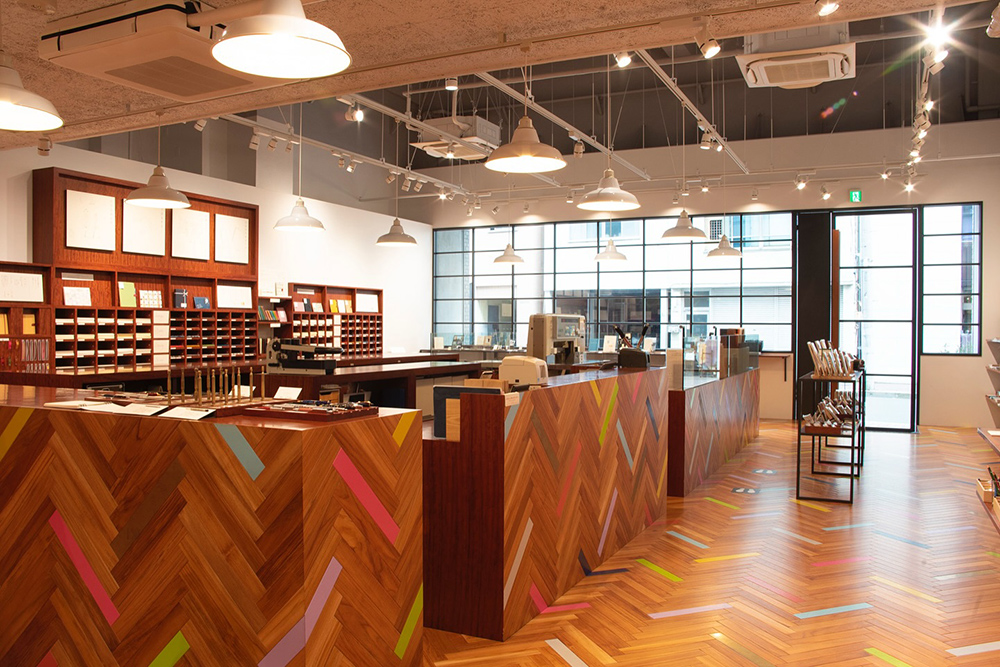
Kakimori is one of Kuramae’s best-known stationery stores and a popular stop for international travelers. Inside, you’ll find inks, writing instruments, and an entire wall of components for custom notebooks.
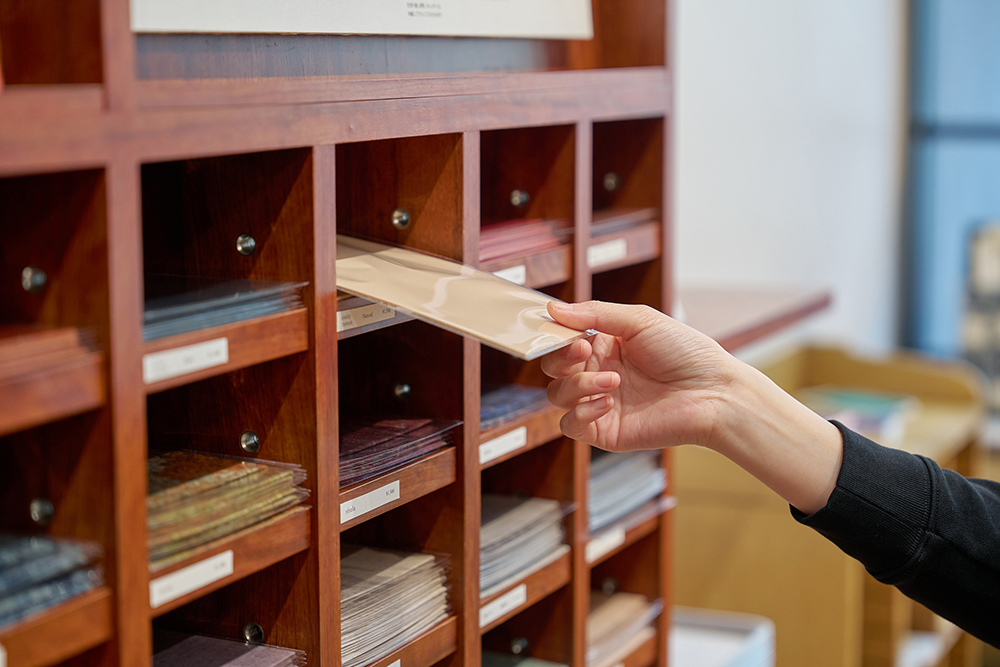
Here, you’re not simply purchasing a notebook off the shelf. You choose the cover, paper, binding, and finishing details to assemble a notebook that is uniquely yours.
The store manager notes that Kakimori has seen a significant rise in international visitors in recent years. Before the pandemic, most came from elsewhere in Asia; today, travelers come from North America, Europe, and many other parts of the world. Many discover the store through social media or word of mouth and make it part of their Tokyo itinerary.
What Kakimori offers goes beyond stationery. It is an invitation to appreciate the art of writing itself. Choosing a notebook on a trip and then filling its pages with your experiences makes preserving memories even more special.
Customizing Every Detail, from Cover to Paper
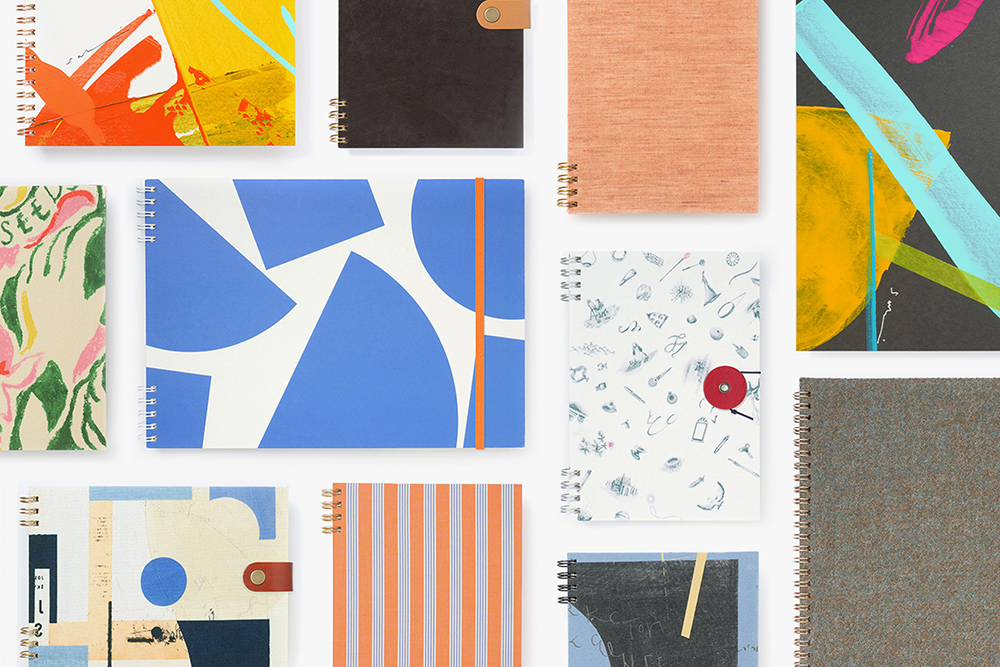
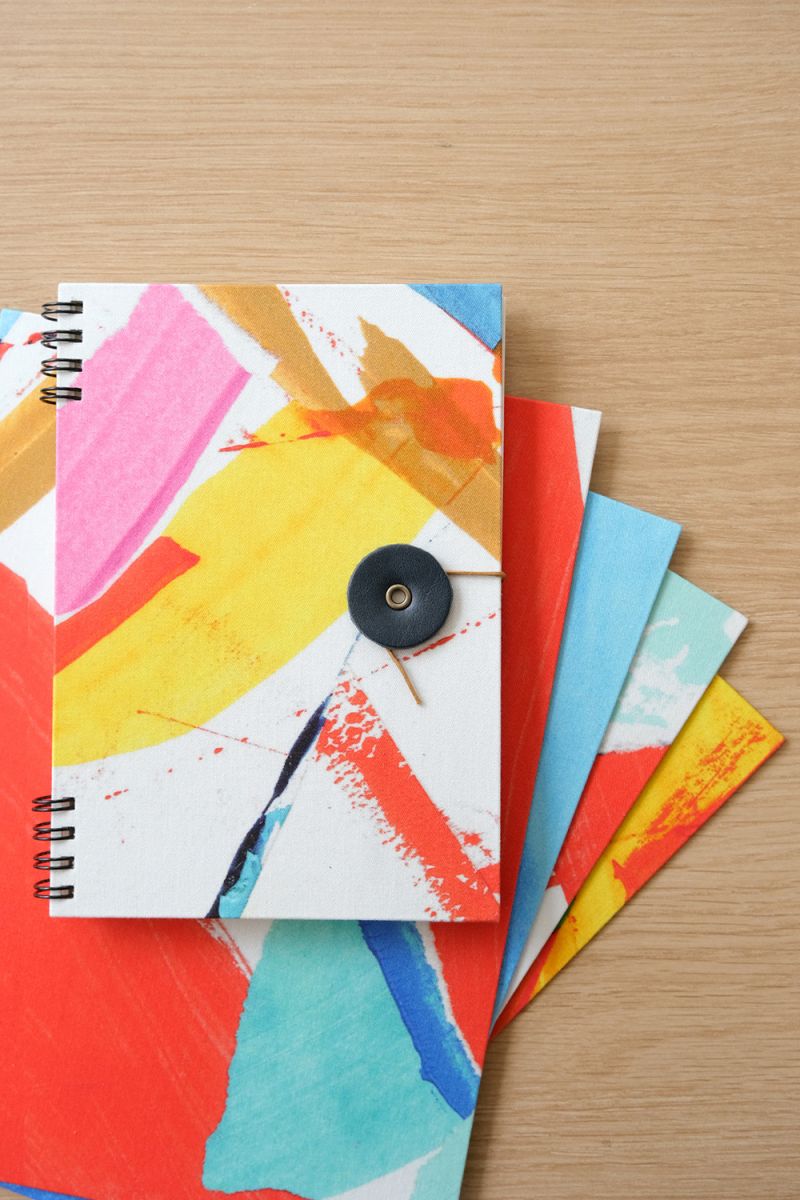
Crafting a custom notebook begins with the size: B6 or B5. The compact B6 is popular with Japanese customers, while many international visitors choose the larger B5 for extra writing space.
Next, choose your front and back covers from a variety of materials, colors, and textures, including leather, fabric, and paper. Leather is durable enough for years of use, while some fabric and paper covers feature Japanese textiles and locally produced materials. The selection changes with the seasons, so your choice of colors and textures can reflect the time of your visit.
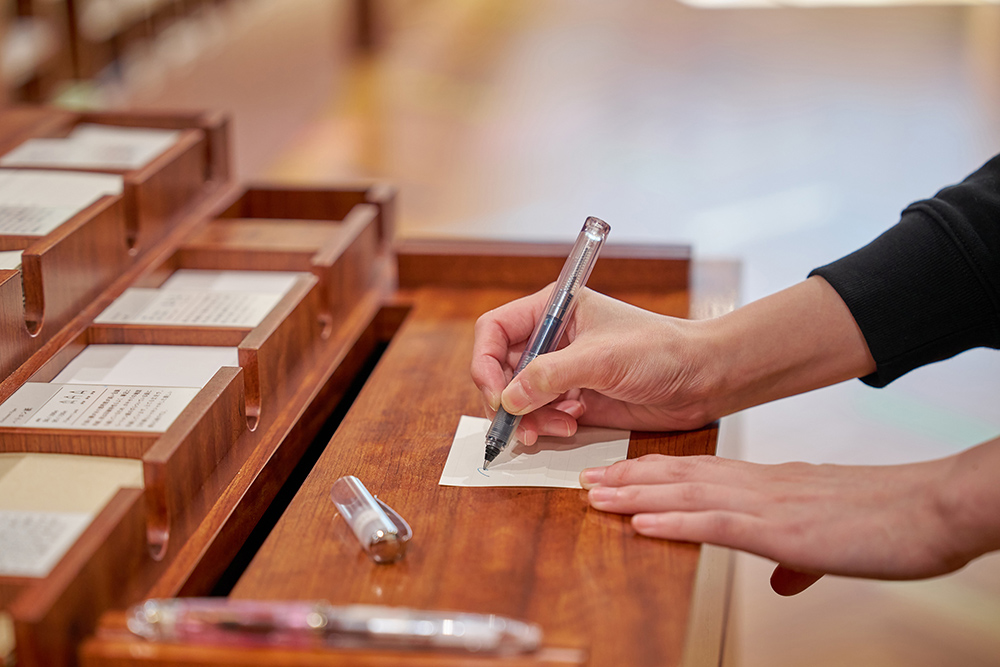
The paper inside is just as customizable. You can mix different types based on your needs: fountain pen-friendly sheets, paper suited to ballpoint pens or pencils, lined or grid pages, or blank paper. Choose drawing paper to make a sketchbook, or kraft paper for a scrapbook of photographs and ticket stubs.
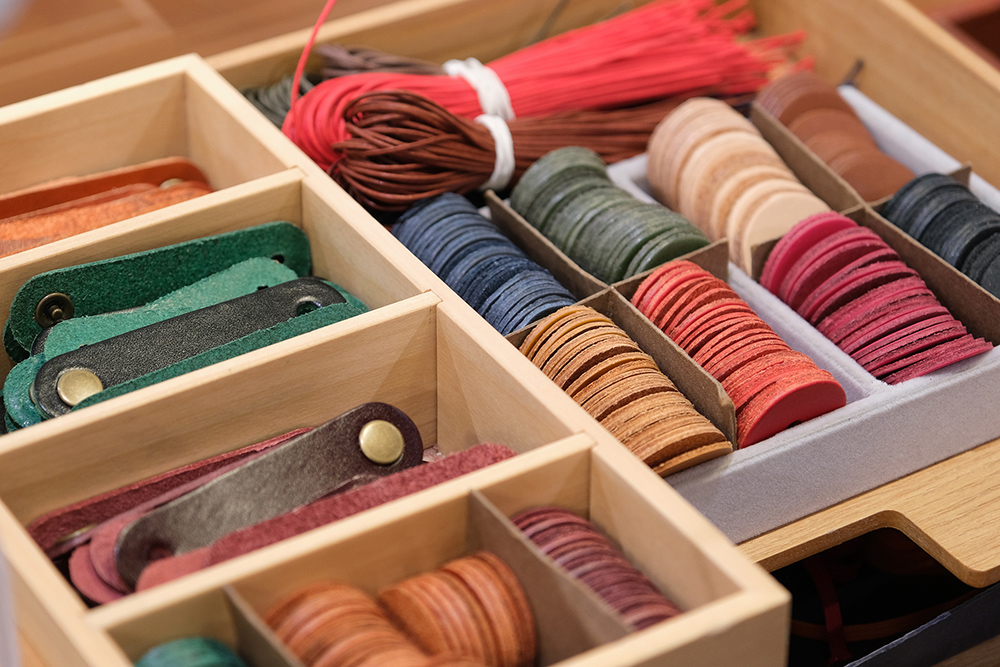
After selecting your paper, choose from a range of rings and fasteners. Options include elastic bands, buttons, wraparound cords, metal corner protectors—each detail subtly changes the character of your finished notebook.
Choosing takes time, and indecision is part of the fun. Compare colors, feel different textures, and picture what will eventually fill the pages. Long before the notebook is finished, it has already started to feel like yours.
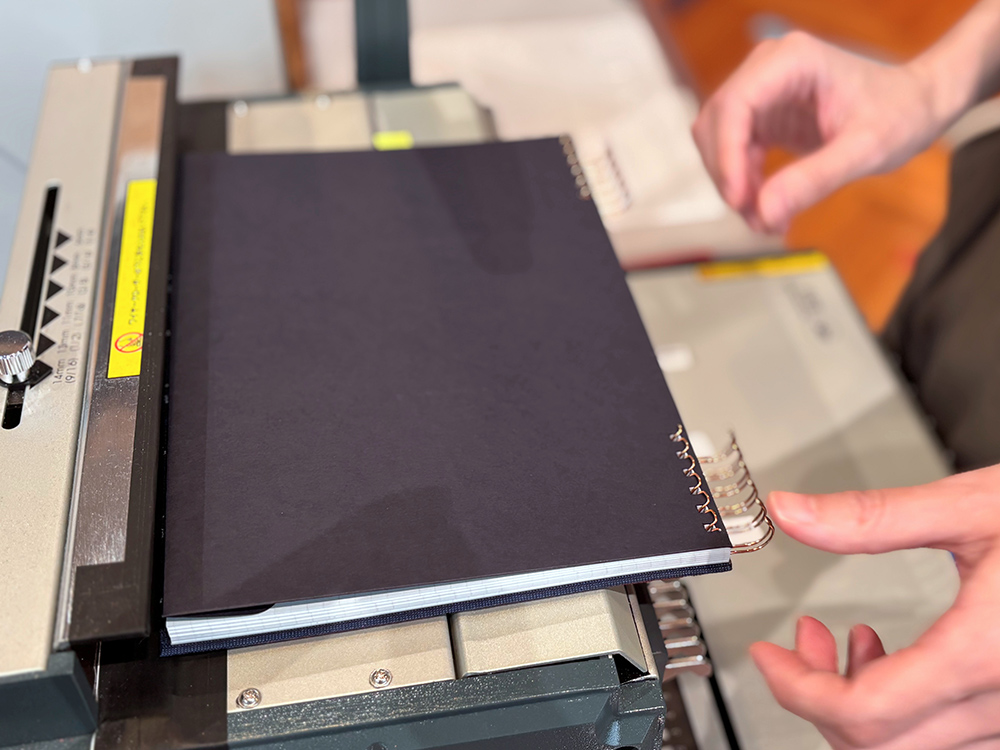
Once you place your order at the counter, your notebook is then bound on-site. If the store is not busy, the process takes about 30 minutes. Watching the pages being punched, the rings fitted, and the components assembled is a special part of the experience. If there’s a wait, it’s the perfect opportunity to explore Kuramae or relax at one of the neighborhood cafés.
Why Travelers Seek Out Kakimori
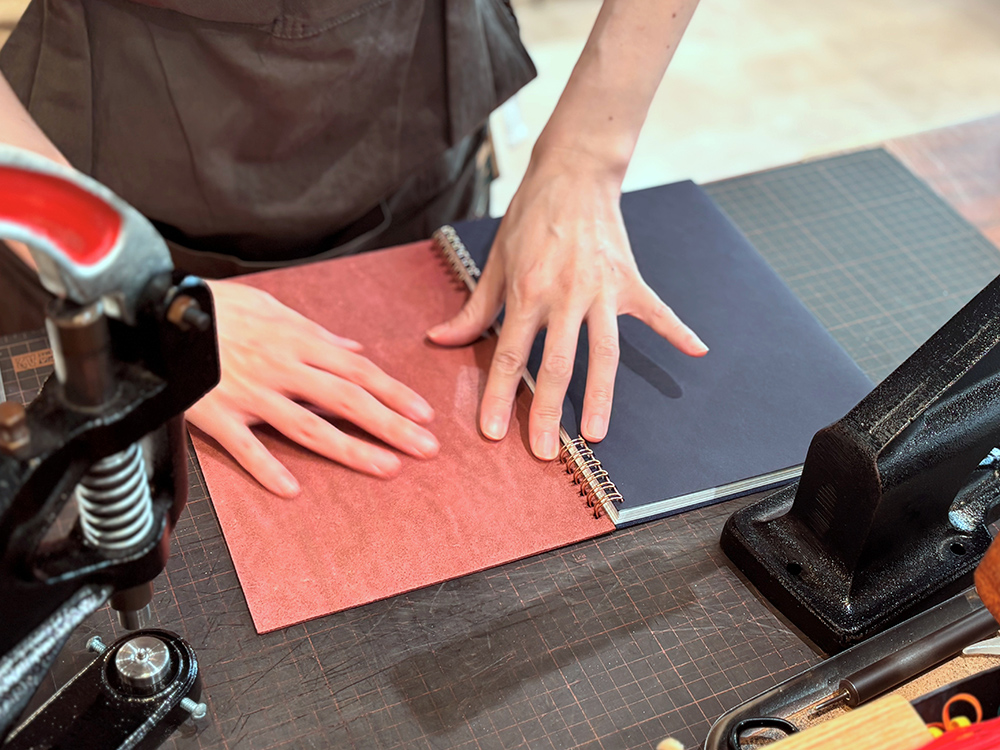
International visitors don’t come to Kakimori just to buy Japanese stationery. The act of choosing each element, combining the pieces, and watching a one-of-a-kind notebook take shape becomes a travel memory in itself.
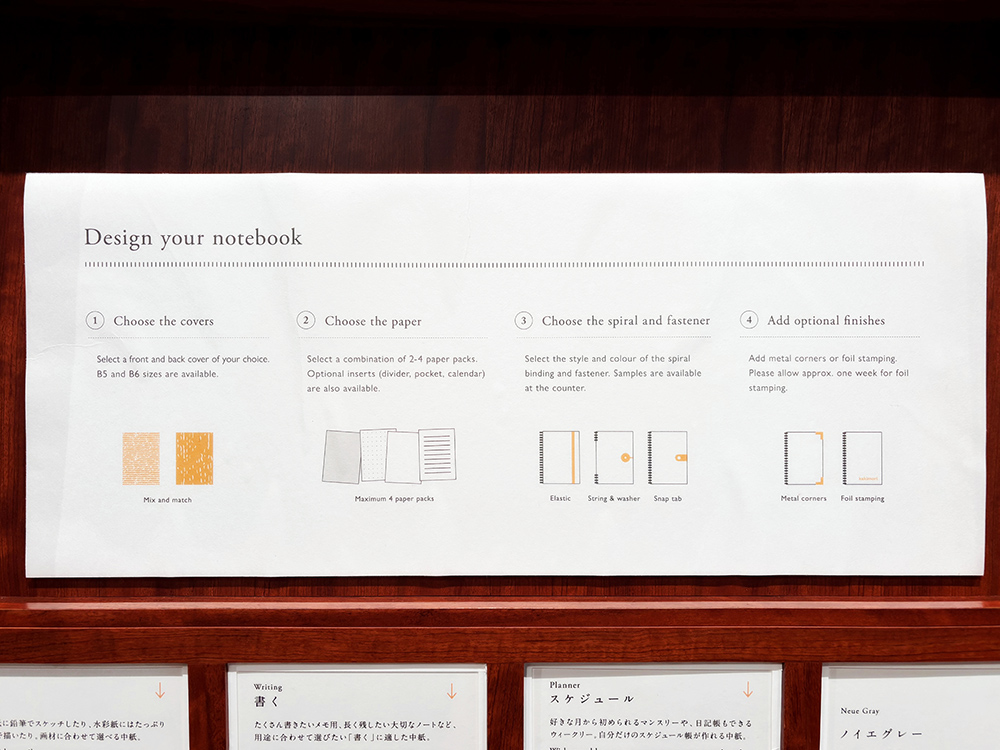
Information is available in both English and Japanese, and the process of customizing a notebook is clearly explained, ensuring a smooth experience for first-time visitors. The store is busiest on weekends and public holidays, and reservations are recommended. Weekdays are generally quieter for walk-ins.
How much time you spend on crafting your notebook is entirely up to you. Some visitors deliberate over every cover and sheet of paper; others make several notebooks as gifts. One may become a travel journal, another a place for work notes, sketches, or collages. There is no prescribed way to use it.
The store manager says many visitors create notebooks specifically to capture memories of their trip. Write about the sights you’ve seen. Add a stamp. Paste in a photograph. Tuck away a ticket or a small scrap of paper. In today’s digital world, recording experiences by hand can feel surprisingly meaningful.
A Store Rooted in Kuramae’s Craft Tradition
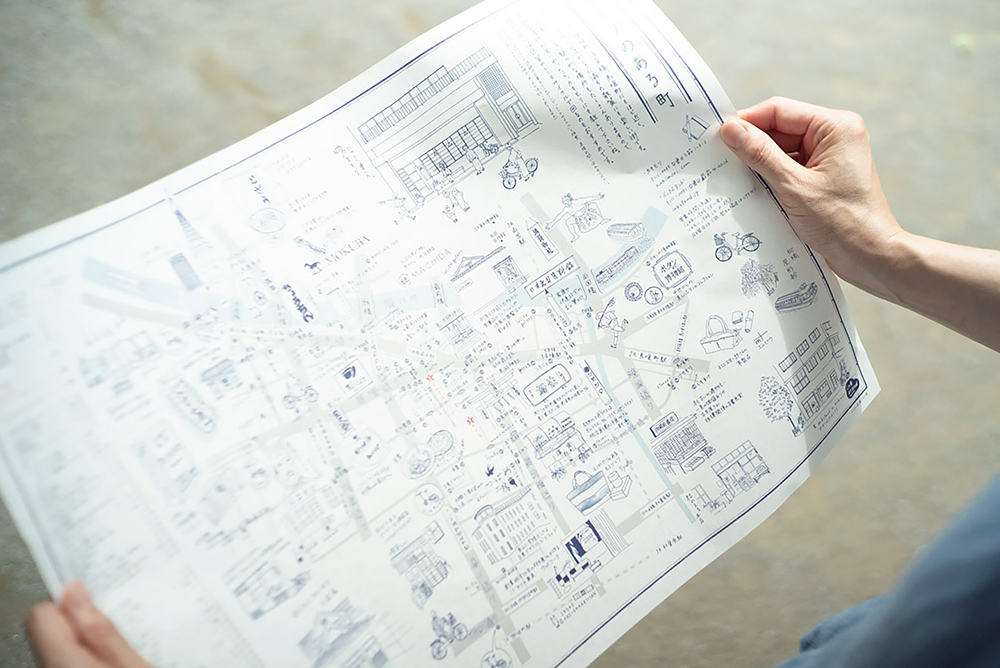
Kakimori’s connection to Kuramae runs deep. The shop also offers a free neighborhood map highlighting cafés, shops, and other places worth exploring, encouraging visitors to experience more of the area beyond Kakimori.
Kuramae’s legacy as a hub of artisans continues through Kakimori’s notebooks. Cover paper may be cut at a nearby workshop, while leather is sourced from a specialist wholesaler across the street. This network of craftspeople and suppliers is woven into every notebook you take home.
A Chronicle of Your Tokyo Experience
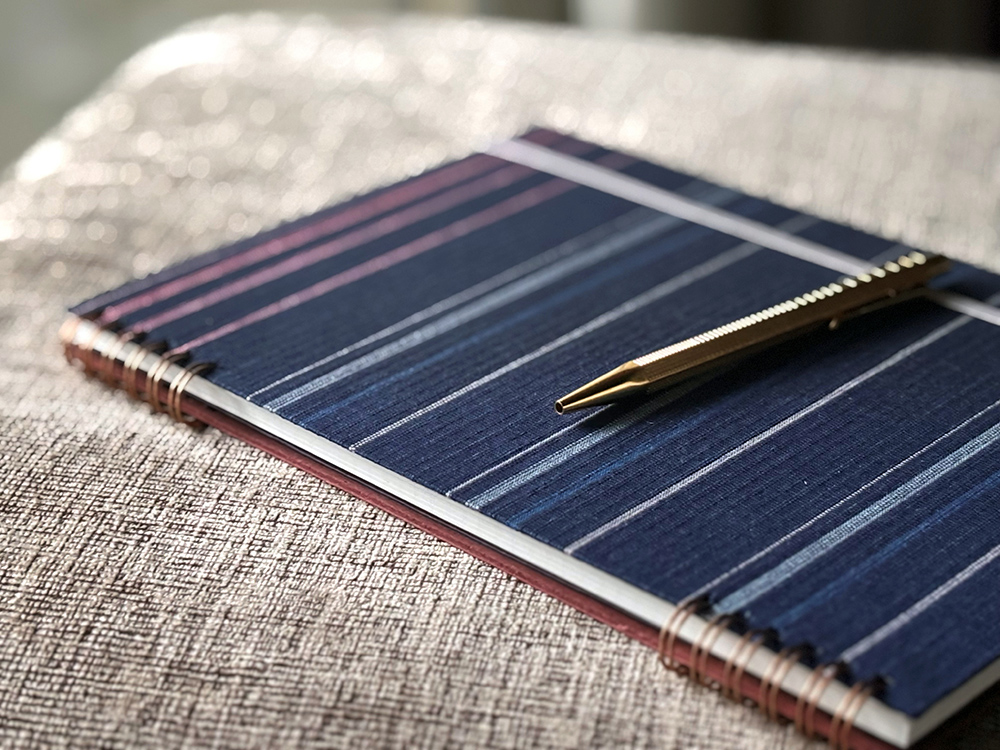
A notebook made at Kakimori is already a meaningful keepsake, but the story does not end when you pick it up.
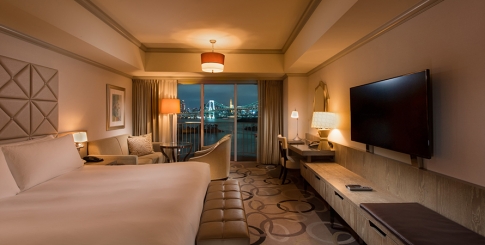
Back at Hilton Tokyo Odaiba, open it at your desk or out on the balcony. Write about strolling through Kuramae, choosing a cover, the feel of the paper beneath your fingertips, the breeze along the Sumida River, or the Tokyo scenery you passed on the way back.
Capture those details on paper one by one, and the notebook becomes more than just a record of places you’ve visited. It becomes your own Tokyo story.
Kakimori
1F Kobayashi Building, 1-6-2 Misuji, Taito-ku, Tokyo
Reservations are not required for custom notebooks on weekdays. Weekends and public holidays tend to be busy. Guests with reservations are given priority. An English-language reservation form is available. Once your notebook is filled, you can have the pages replaced at the store.
Please check the official website for current opening hours, reservations, and other information.


